The creatine gummies vs powder debate isn't really about which one “works” better — creatine monohydrate is creatine monohydrate, regardless of format. The real question is which one you'll actually take every single day, because consistency is what drives results.
Key Takeaways
- Powder is typically 3–8x cheaper per gram of creatine than gummies.
- Gummies offer fixed, pre-measured doses; powder offers flexible dosing.
- Independent testing has flagged some gummy brands for under-delivering on labeled creatine content — check for third-party certification.
- Neither format changes how creatine saturates muscle — the molecule works the same way either way.
- Your best format is the one you'll take consistently, not the “technically superior” one.
How Creatine Powder Works
Creatine monohydrate powder is the traditional, most-researched format. You mix a scoop — typically 3–5 grams — into water, juice, or a shake. It's flavorless in its raw form, though flavored versions exist.
Pros:
- Cheapest per gram, often $0.20–$0.50 per serving
- Fully flexible dosing — scoop more or less as needed
- Decades of clinical research using this exact format
Cons:
- Requires mixing, a shaker bottle, and some prep
- Raw powder has a chalky, slightly bitter taste some people dislike
- Not travel-friendly without extra gear
How Creatine Gummies Work
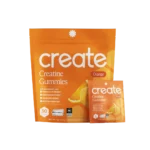
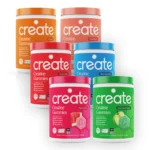
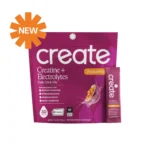
Gummies deliver a fixed creatine dose per piece — commonly 1–1.5g per gummy — meaning you eat 2–4 gummies to hit a typical 3–5g daily target. Create, for example, delivers 4.5g across three gummies.
Pros:
- Zero prep — grab and chew
- Genuinely pleasant taste compared to raw powder
- Easy to travel with; no shaker bottle required
Cons:
- Meaningfully more expensive per gram
- Fixed dosing means less flexibility
- Added sugars, gelatin/pectin, and flavoring agents that powder skips
- Some brands have faced scrutiny for creatine content not matching labels
Cost Comparison: The Real Numbers
Powder generally wins decisively on cost. A quality creatine monohydrate powder can run $15–$30 for a 60–100 serving tub — often under $0.30 per serving. Branded creatine gummies frequently land between $1.50 and $2.50 per serving, largely due to flavoring, binding agents, and packaging costs.
If you're specifically weighing Create against powder alternatives, our Create creatine gummies price breakdown shows the exact per-serving math.
Dosing Accuracy: A Real Concern
Because powder is measured with a scoop, dosing is approximate but flexible — you can easily hit exactly 5g if that's your target. Gummies are pre-measured, which sounds more precise, but independent testing has occasionally found gummy products delivering less creatine than the label claims. This is one reason third-party certification (like NSF Certified for Sport) matters more for gummies than for plain powder.
Which One Should You Actually Buy?
- Choose powder if: cost matters most, you don't mind mixing a shake, and you're comfortable with an unflavored or mildly flavored taste.
- Choose gummies if: you've tried and failed to stay consistent with powder, you travel often, or the taste of powder has kept you from taking creatine at all.
If you're leaning toward gummies specifically, see our full best creatine gummies of 2026 ranking, or our dedicated Create creatine gummies review if that brand is on your shortlist.
Does the Format Actually Change Results?
No — creatine monohydrate saturates muscle stores the same way regardless of delivery format, assuming you're getting an accurate, comparable dose. What changes is whether you actually take it consistently, and that's the variable that determines real-world results more than the format itself. For a deeper look at what the science says about effectiveness, see do creatine gummies actually work?
Frequently Asked Questions
Is creatine powder better than gummies?
Powder is more cost-effective and offers more precise, flexible dosing. Gummies are more convenient and palatable. Neither is “better” scientifically — the creatine itself works the same way in both formats.
Do creatine gummies have less creatine than powder?
Per serving, most gummies deliver 1–1.5g of creatine per piece, meaning you need 3–4 gummies to match a standard 3–5g powder scoop. Always check the label's total creatine content per serving, not per gummy.
Can I switch between creatine gummies and powder?
Yes. Since it's the same active ingredient, you can mix formats — for example, powder at home and gummies while traveling — as long as your total daily creatine intake stays consistent.
Are creatine gummies a waste of money?
Not necessarily. If the convenience and taste of gummies help you take creatine consistently when you otherwise wouldn't, the premium price can be worth it for the results consistency delivers.